The Advantages of AI in Sales
As artificial intelligence technologies continue to mature, they are revolutionizing business sales operations across industries, offering unprecedented advantages in efficiency, customer engagement, and revenue generation. The integration of AI into sales processes has transformed from experimental implementations to essential strategic components that drive competitive advantage. Through automation of routine tasks, data-driven insights, and enhanced customer interactions, AI is enabling sales teams to work smarter, close deals faster, and achieve superior results with optimized resource allocation.
This article explores the benefits AI brings to business sales, examining how these technologies are reshaping traditional sales approaches and delivering measurable improvements in performance and profitability.
The Evolution of AI in Business Sales
Defining AI Applications in Sales
Artificial intelligence in sales refers to the implementation of advanced algorithms and data analytics technologies specifically designed to enhance and streamline sales processes. The systems leverage computational power to automate repetitive tasks, analyze vast quantities of customer data, and provide actionable insights that would be impossible for human sales teams to generate manually[1].
The technology bridges the critical gap between human expertise and machine efficiency, creating powerful synergies that address longstanding challenges in the sales profession[1]. Modern AI sales tools encompass a diverse range of applications, from predictive analytics and customer behavior modeling to conversational interfaces and recommendation engines.
Each of these applications serves a distinct function in optimizing various aspects of the sales process, from lead generation to closing deals and ongoing customer relationship management[2]. As the technologies continue to advance, their integration into sales operations has become increasingly sophisticated, moving from basic automation to truly intelligent systems capable of learning and adapting over time.
From Intuition to Data-Driven Sales Strategies
The sales industry has undergone a significant paradigm shift, transitioning from approaches heavily reliant on intuition and experiential judgment to methodologies grounded in data analysis and predictive modeling. This transformation represents a fundamental change in how sales professionals identify opportunities, prioritize prospects, and develop engagement strategies[4]. Traditional sales approaches often depended on the "sixth sense" or intuition of experienced salespeople, leading to inconsistent results and difficulty in scaling successful practices across organizations[4].
The introduction of AI has enabled businesses to systematize the identification of high-value opportunities through pattern recognition algorithms that process historical performance data alongside real-time market indicators. By examining factors such as past purchasing behavior, demographic information, and engagement patterns, AI systems can now provide sales teams with prioritized prospect lists that dramatically improve conversion rates and resource allocation efficiency[4]. This shift toward data-driven decision-making has democratized sales excellence, reducing dependence on individual talent while creating more predictable and replicable paths to success.
Current AI Adoption Landscape
The implementation of AI in sales operations has accelerated dramatically in recent years, with adoption rates increasing across businesses of all sizes and sectors. Organizations have increasingly recognized the competitive necessity of incorporating AI technologies into their sales strategies, particularly as early adopters demonstrate measurable advantages in productivity and market penetration[1]. According to McKinsey research, businesses fully embracing AI integration could potentially experience productivity improvements of up to 40% by 2035, highlighting the substantial performance differentials emerging between AI-enabled sales organizations and those relying solely on traditional methodologies[1].
The current landscape of AI adoption in sales is characterized by a growing sophistication in implementation strategies, with companies moving beyond basic automation to more comprehensive systems that address multiple aspects of the sales journey. Sales leaders are increasingly understanding that AI adoption is not merely about technological deployment but represents a fundamental shift in operational philosophy that affects team structures, performance metrics, and customer engagement models. The most successful implementations typically involve thoughtful integration with existing systems and careful attention to change management considerations, ensuring that human sales professionals work effectively alongside their AI counterparts.
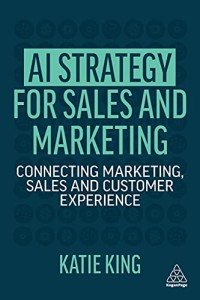
AI Strategy for Sales and Marketing: Connecting Marketing, Sales and Customer Experience
Unlock the potential of AI to boost your sales, marketing strategies, and enhance customer experiences
Product information
$42.99 $37.99
Product Review Score
4.44 out of 5 stars
209 reviewsProduct links

AI for Sales: How Artificial Intelligence Is Changing Sales
Discover practical strategies to leverage AI for boosting sales and enhancing customer relationships
Product information
$14.99
Product Review Score
4.4 out of 5 stars
26 reviewsProduct links
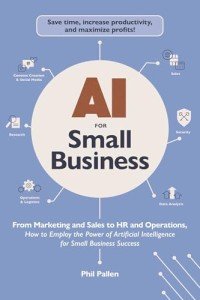
AI for Small Business: From Marketing and Sales to HR and Operations, How to Employ the Power of Artificial Intelligence for Small Business Success (AI Advantage)
Unlock the secrets to using AI to boost your small business across every department, making operations smoother and growth easier than ever
Product information
$17.99
Product Review Score
4.06 out of 5 stars
29 reviewsProduct links

AI Power Funnels: A Practical Guide For Using AI To Systematically Grow Your Online Sales
Unlock the secrets to boosting your online sales with practical AI strategies that anyone can use
Product information
$24.99
Product Review Score
4.46 out of 5 stars
170 reviewsProduct links
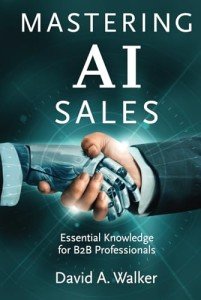
Mastering AI Sales Essential Knowledge for B2B Professionals
Unlock the secrets to leveraging artificial intelligence for sales success in the B2B world
Product information
$27.99
Product Review Score
4.82 out of 5 stars
194 reviewsProduct links
Automation and Efficiency Advantages
Streamlining Repetitive Tasks
AI has revolutionized sales operations by automating time-consuming manual activities that previously occupied valuable selling time without directly contributing to revenue generation. These repetitive tasks, such as data entry, email correspondence, meeting scheduling, and basic information gathering, have traditionally consumed a significant portion of sales representatives' working hours, limiting their capacity for high-value customer interactions[1].
Modern AI systems efficiently manage these routine processes, processing information with greater speed and accuracy than human counterparts while maintaining consistent quality regardless of volume or timing[2]. Email outreach automation, for example, allows sales teams to maintain personalized communication at scale without the tedious process of individually crafting messages, tracking responses, and scheduling follow-ups.
Similarly, AI-powered data entry systems automatically capture and organize customer information from various touchpoints, eliminating manual recording requirements while simultaneously improving data integrity and accessibility[1]. The cumulative effect of these automation capabilities represents a substantial reclamation of productive selling time, allowing sales professionals to redirect their efforts toward strategic relationship building and complex negotiation activities that genuinely require human expertise.
Enhanced Lead Generation and Qualification
One of the most powerful applications of AI in the sales process involves the identification and qualification of potential customers, dramatically improving the efficiency of prospecting efforts. Traditional lead generation activities often produce large volumes of prospects with widely varying degrees of sales-readiness, forcing sales teams to invest significant time determining which opportunities warrant focused attention[4].
AI-powered lead generation systems analyze vast datasets encompassing demographic information, firmographic details, online behaviors, and historical purchasing patterns to identify prospects that closely resemble existing successful customers[5]. These systems continuously refine their algorithms based on interaction outcomes, becoming increasingly precise in their ability to predict conversion likelihood and potential customer value[4].
The qualification process is similarly enhanced through AI scoring mechanisms that objectively evaluate prospects against multiple weighted criteria, eliminating subjective assessments that often lead to misallocated resources[2]. By automatically prioritizing the most promising opportunities, these systems enable sales teams to concentrate their efforts where they will generate the greatest returns, effectively increasing conversion rates while simultaneously reducing the cost of customer acquisition[5]. The implementation of AI in this critical early stage of the sales process creates cascading efficiency improvements throughout the entire customer journey.
Time and Resource Optimization
The integration of AI into sales operations fundamentally transforms resource allocation by enabling precision targeting and eliminating wasteful activities. With AI handling repetitive tasks, businesses achieve substantially more with fewer resources, maximizing return on investment across their sales efforts[1].
This optimization extends beyond simple automation to include intelligent workload distribution, territory management, and activity prioritization based on sophisticated predictive models[3]. AI systems analyze historical performance data to identify optimal customer engagement patterns, suggesting not only which prospects deserve attention but also precisely when and how they should be approached for maximum effectiveness[2].
Time management improves dramatically as sales professionals receive AI-generated recommendations for daily activity schedules that balance immediate opportunities with long-term relationship development requirements. Resource allocation decisions become increasingly data-driven, with AI providing detailed insights into the expected returns from various investment alternatives, whether in personnel, technology, or marketing support[3].
The cumulative effect of these optimization capabilities extends beyond individual sales representative efficiency to encompass the entire sales organization, creating alignment between available resources and market opportunities that would be impossible to achieve through manual planning processes.
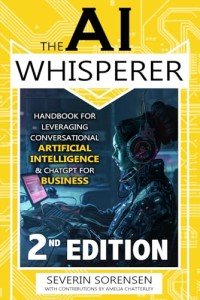
The AI Whisperer 2nd Edition: Handbook for Leveraging Conversational Artificial Intelligence and ChatGPT for Business
Unlock the secrets to using AI tools like ChatGPT to enhance your business strategies and streamline communication
Product information
$38.95
Product Review Score
4.88 out of 5 stars
26 reviewsProduct links
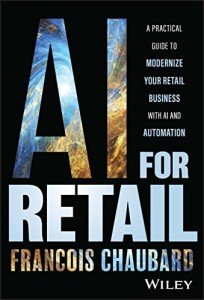
AI for Retail: A Practical Guide to Modernize Your Retail Business with AI and Automation
Unlock the secrets to enhancing your retail operations and boosting sales through the power of AI and automation
Product information
$34.00 $23.83
Product Review Score
4.85 out of 5 stars
30 reviewsProduct links
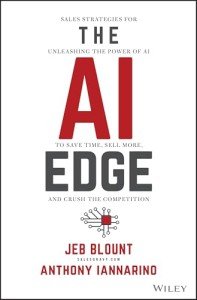
The AI Edge: Sales Strategies for Unleashing the Power of AI to Save Time, Sell More, and Crush the Competition (Jeb Blount)
Unlock the secrets to leveraging AI for smarter sales techniques that boost efficiency and drive results
Product information
$28.00 $20.71
Product Review Score
4.98 out of 5 stars
76 reviewsProduct links
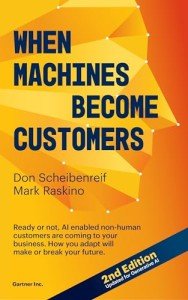
When Machines Become Customers: Ready or not, AI enabled non-human customers are coming to your business. How you adapt will make or break your future.
Discover essential strategies to embrace the rise of AI customers and transform your business for tomorrow's challenges
Product information
$15.00
Product Review Score
4.65 out of 5 stars
208 reviewsProduct links
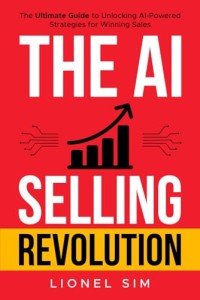
The AI Selling Revolution: The Ultimate Guide to Unlocking AI-Powered Strategies for Winning Sales
Discover how to harness the power of AI to supercharge your sales and stay ahead in the competitive marketplace
Product information
$13.95
Product Review Score
4.16 out of 5 stars
40 reviewsProduct links
Enhanced Customer Engagement and Personalization
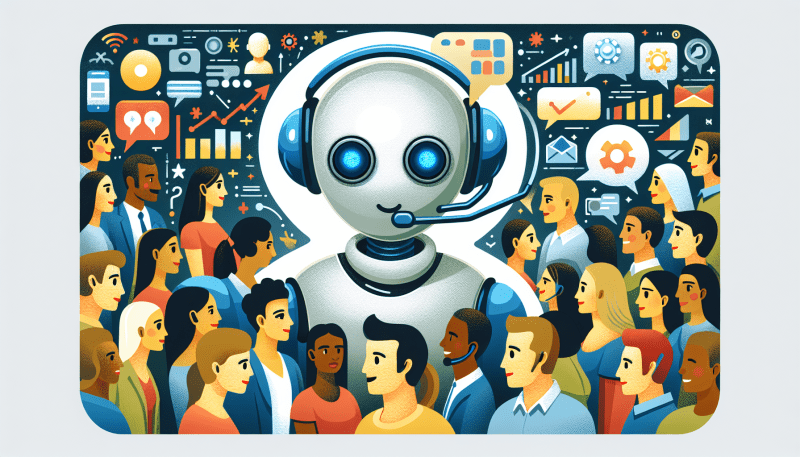
Conversational AI and 24/7 Availability
The deployment of conversational AI technologies has fundamentally transformed customer engagement in sales environments by creating seamless, responsive interactions regardless of time constraints or staffing limitations. These sophisticated systems leverage natural language processing capabilities to interpret customer inquiries, provide contextually appropriate responses, and maintain conversation flow in a manner that increasingly resembles human interaction[2].
Unlike human sales representatives who require rest periods and face unavoidable capacity constraints, conversational AI tools remain perpetually available, ensuring that prospective customers receive immediate attention whenever they express interest or seek information[2]. This constant availability eliminates critical engagement gaps that traditionally resulted in lost opportunities when interested prospects encountered unresponsive sales channels during off-hours or peak demand periods.
Advanced conversational systems now capably handle numerous complex tasks that previously required human intervention, including product recommendations, technical specifications explanation, pricing inquiries, and preliminary qualification questions[6]. These technologies effectively serve as tireless digital representatives that maintain consistent brand voice while progressively gathering valuable customer intelligence that informs subsequent human interactions[2]. For a business operating in competitive markets or serving global customer bases across multiple time zones, the ability to provide responsive, high-quality engagement at any hour represents a significant competitive advantage in capturing customer interest during critical decision windows.
Personalization at Scale
Artificial intelligence has transformed the longstanding trade-off between personalization and scale in sales operations, enabling businesses to deliver individually tailored experiences to vast customer bases without proportional increases in cost or complexity. Traditional personalization approaches required labor-intensive manual customization that limited their application to high-value accounts or small customer segments, creating inconsistent experiences across the broader customer base[5].
Modern AI systems analyze comprehensive customer profiles incorporating historical interactions, demographic characteristics, behavioral patterns, and contextual factors to generate dynamically personalized engagements that resonate with individual preferences and needs[1]. These capabilities extend across multiple dimensions of the sales experience, from customized product recommendations and pricing structures to communication frequency, channel selection, and messaging tone[2].
The personalization extends beyond superficial modifications to include substantive adaptations that address specific customer pain points and objectives identified through AI analysis of previous interactions[6]. Perhaps most impressively, these systems continuously refine their personalization algorithms based on response data, creating progressively more effective approaches for each customer while simultaneously applying successful patterns to similar prospect profiles[5].
By delivering this degree of individualization without proportional staffing requirements, AI enables businesses to create premium engagement experiences for all customers regardless of their individual revenue contribution, fundamentally democratizing personalized service while maintaining economic efficiency.
Predictive Customer Needs Analysis
Advanced AI systems have transcended reactive sales approaches by developing sophisticated predictive capabilities that anticipate customer needs before they are explicitly expressed. These forward-looking technologies analyze patterns across historical behaviors, market trends, seasonal factors, and lifecycle stages to forecast emerging requirements with remarkable accuracy[6].
By identifying these needs proactively, sales organizations can position themselves as strategic advisors rather than transactional vendors, dramatically strengthening customer relationships and competitive positioning[3]. The predictive analysis operates across multiple timeframes, from immediate cross-selling opportunities based on current purchases to long-term evolution of requirements as organizations grow or market conditions change[2].
AI systems continuously monitor for trigger events that signal potential changes in customer needs, such as organizational restructuring, new leadership appointments, funding announcements, or technology deployments[4]. This awareness enables sales teams to approach customers with relevant solutions precisely when they are most receptive, rather than relying on generalized outreach timing that often misaligns with actual buying readiness[6].
The psychological impact of this predictive capability significantly enhances customer perception, as they experience the sensation of being genuinely understood rather than merely sold to, creating emotional connections that transcend purely transactional relationships[5]. For businesses operating in complex or rapidly evolving markets, this predictive intelligence represents a fundamental competitive advantage that elevates sales interactions from product-focused presentations to strategic business discussions.
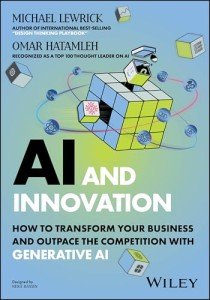
AI and Innovation: How to Transform Your Business and Outpace the Competition with Generative AI
Unlock the secrets to leveraging AI for growth and staying ahead in today’s fast-paced business world
Product information
$35.00 $25.42
Product Review Score
4.59 out of 5 stars
11 reviewsProduct links
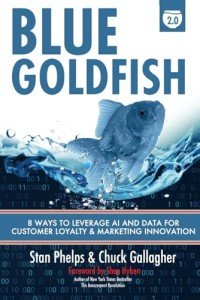
Blue Goldfish 2.0: 8 Ways to Leverage AI and Data for Customer Loyalty & Marketing Innovation (Blue Goldfish 1.0 and 2.0)
Unlock the secrets to boosting customer loyalty and drive marketing success using AI and data insights
Product information
$19.95
Product Review Score
4.72 out of 5 stars
173 reviewsProduct links
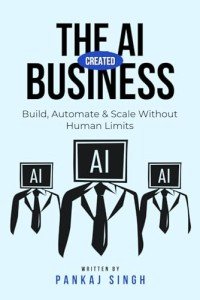
The AI-Created Business: Build, Automate & Scale Without Human Limits
Unlock the secrets to leveraging AI for effortless business growth and automation
Product information
$14.99
Product Review Score
4.94 out of 5 stars
68 reviewsProduct links
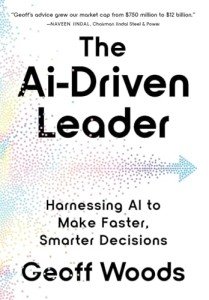
The AI-Driven Leader: Harnessing AI to Make Faster, Smarter Decisions
Unlock the secrets to leveraging artificial intelligence for impactful decision-making and leadership success
Product information
$24.99 $22.49
Product Review Score
4.93 out of 5 stars
152 reviewsProduct links
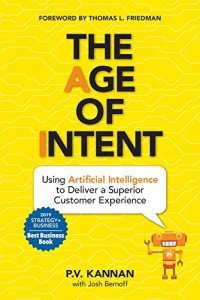
The Age of Intent: Using Artificial Intelligence to Deliver a Superior Customer Experience
Discover how AI can transform your business and enhance customer satisfaction with actionable insights and strategies
Product information
$24.95 $17.59
Product Review Score
4.1 out of 5 stars
187 reviewsProduct links
Data-Driven Insights and Decision Making
Comprehensive Analysis of Customer Behavior
Artificial intelligence systems provide unprecedented capabilities for analyzing customer behavior across multiple dimensions, generating insights that would remain inaccessible through traditional analytical approaches. These advanced systems process enormous volumes of structured and unstructured data from diverse sources, including transaction records, communication logs, social media interactions, website behavior, and third-party market intelligence[5].
The resulting analysis extends far beyond simplistic demographic segmentation to reveal nuanced patterns in decision-making processes, influence hierarchies, communication preferences, and objection triggers that inform highly targeted sales approaches[2]. AI algorithms identify correlations between seemingly unrelated behavioral indicators and purchasing outcomes, creating sophisticated predictive models that continuously improve through machine learning as new data becomes available[4]. These systems can detect subtle signals of changing customer sentiment or emerging needs by analyzing factors such as changes in engagement patterns, shifts in information consumption, or variations in response timing that might escape human observation[6].
By applying natural language processing to customer communications, AI can perform sophisticated sentiment analysis that reveals emotional responses to different messaging approaches or product attributes, enabling fine-tuned communication strategies that resonate more effectively with customer priorities[2]. The depth and precision of these behavioral insights enable sales organizations to transition from intuitive approaches based on generalized assumptions to evidence-based strategies tailored to specific customer characteristics and situational contexts.
Predictive Analytics for Sales Forecasting
The application of AI to sales forecasting has transformed this critical business function from an imprecise art heavily influenced by subjective judgment to a rigorous analytical discipline grounded in data science. Traditional forecasting methodologies typically relied on simplistic extrapolation of historical performance combined with sales representative estimates, producing notoriously unreliable projections that complicated resource planning and financial management[2]. Modern AI forecasting systems integrate multiple data dimensions, including pipeline metrics, market indicators, seasonal patterns, competitive activities, and macroeconomic factors within sophisticated predictive models that identify complex interrelationships invisible to human analysts[2].
These systems continuously refine their accuracy through machine learning algorithms that compare projected outcomes against actual results, progressively identifying the most reliable predictive variables while adjusting their weighting in the forecasting model[4]. Beyond aggregate projections, AI forecasting provides detailed probability assessments for individual opportunities, enabling more precise pipeline management and focused intervention in at-risk deals[3].
The accuracy improvements delivered by AI-powered forecasting extend beyond operational benefits to create significant strategic advantages through better inventory management, more efficient cash flow utilization, and optimized production scheduling aligned with actual market demand[5]. For businesses operating in volatile markets or managing complex product portfolios, the enhanced forecasting precision enabled by AI represents a fundamental competitive advantage that improves both tactical execution and strategic planning processes.
Intelligent Lead Scoring and Prioritization
Artificial intelligence has revolutionized lead management through sophisticated scoring systems that objectively evaluate conversion potential across multiple weighted criteria, eliminating subjective assessments that often misallocate valuable sales resources. Traditional lead scoring approaches typically relied heavily on basic demographic matching and rudimentary engagement metrics that frequently failed to distinguish genuinely promising opportunities from superficially attractive but ultimately unproductive prospects[2]. Advanced AI scoring systems analyze comprehensive datasets encompassing firmographic details, technographic profiles, behavioral patterns, engagement intensity, and contextual factors to generate nuanced evaluations of both conversion likelihood and potential customer value[4].
These systems continuously refine their algorithms based on actual conversion outcomes, progressively identifying the subtle indicator combinations that most reliably predict successful sales trajectories[2]. The resulting prioritization enables sales organizations to focus their highest-value resources on the opportunities most likely to generate positive returns, significantly improving conversion rates while simultaneously reducing customer acquisition costs[5]. Beyond simple ranking, sophisticated AI systems provide detailed analysis of the specific factors influencing each score, enabling sales representatives to address the particular concerns or requirements most relevant to individual prospects rather than applying generalized approaches[4]. By eliminating the inherent biases and inconsistencies of subjective evaluation methods, AI-powered lead scoring creates more predictable sales processes and enables more accurate performance forecasting across different market segments and product categories.
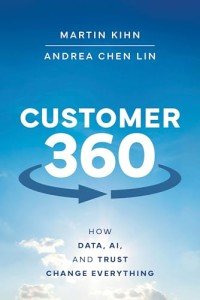
Customer 360: How Data, AI, and Trust Change Everything
Discover how to leverage data and AI to build stronger customer relationships and drive business success
Product information
$28.00
Product Review Score
4.53 out of 5 stars
70 reviewsProduct links
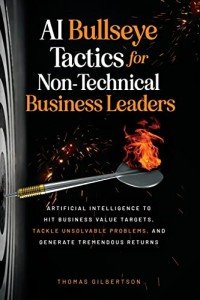
AI Bullseye Tactics For Non-Technical Business Leaders: Artificial Intelligence to Hit Business Value Targets, Tackle Unsolvable Problems, and Generate Tremendous Returns
Unlock powerful strategies in AI that anyone can apply to boost your business success and drive real results
Product information
$27.99 $26.58
Product Review Score
4.77 out of 5 stars
217 reviewsProduct links
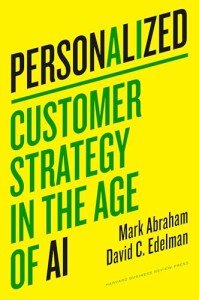
Personalized: Customer Strategy in the Age of AI
Unlock The Secrets to Tailoring Your Business Approach with AI-Driven Insights
Product information
$32.00 $19.30
Product Review Score
4.33 out of 5 stars
169 reviewsProduct links
When Machines Become Customers: Ready or not, AI enabled non-human customers are coming to your business. How you adapt will make or break your future.
Discover essential strategies to embrace the rise of AI customers and transform your business for tomorrow's challenges
Product information
$15.00
Product Review Score
4.65 out of 5 stars
208 reviewsProduct links
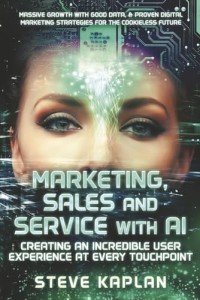
Marketing, Sales and Service with AI
Unlock the secrets to leveraging AI for enhancing customer satisfaction and driving business growth
Product information
$19.00
Product Review Score
4.21 out of 5 stars
130 reviewsProduct links
Sales Performance Improvement
Enhanced Productivity and Win Rates
The implementation of AI across sales operations delivers substantial productivity improvements by eliminating low-value activities, optimizing engagement strategies, and enabling data-driven decision making throughout the sales process. By automating routine administrative tasks, AI systems immediately increase the proportion of time sales representatives can dedicate to high-value customer interactions that directly influence revenue generation[1].
Beyond simple time reallocation, AI enhances the effectiveness of customer engagements through real-time guidance based on comprehensive analysis of successful interaction patterns, ensuring that representatives consistently apply proven approaches rather than relying on variable individual judgment[3]. According to research findings, sales organizations implementing AI-powered dynamic coaching experience measurable performance improvements, including win rate increases averaging 15% and quota attainment growth of approximately 14%, demonstrating the tangible impact of these technologies on bottom-line results[3].
The productivity advantages extend beyond individual performance to encompass team optimization through AI-driven territory alignment, account distribution, and specialized role development that maximize collective outputs[5]. For sales managers, AI systems dramatically improve span of control capabilities by providing automated performance monitoring, exception-based alerting, and targeted intervention recommendations that enable more efficient team supervision[3].
The cumulative effect of these productivity enhancements creates substantial competitive advantages for early adopters, establishing performance benchmarks that become increasingly difficult for traditional sales organizations to match without equivalent technological capabilities.
Sales Coaching and Skill Development
Artificial intelligence has transformed sales coaching from an inconsistent, subjective process dependent on manager availability and observation to a systematic, data-driven practice that delivers continuous skill development. Traditional coaching approaches typically suffered from limited observation opportunities, confirmation bias in performance assessment, and inconsistent feedback delivery that compromised improvement outcomes[3]. AI-powered coaching systems continuously monitor customer interactions across multiple channels, providing objective analysis based on comprehensive performance data rather than limited sampling[6].
These systems identify specific skill gaps by comparing individual performance against defined best practices, enabling highly targeted development interventions focused on the precise capabilities most affecting success rates[3]. The coaching extends beyond procedural compliance to include nuanced communication elements such as message framing, emotional intelligence, objection handling techniques, and negotiation approaches that substantially influence customer receptivity[6]. By providing immediate, contextually relevant guidance during actual customer interactions, AI enables real-time skill application that accelerates learning and retention compared to traditional retrospective coaching sessions[3].
The personalization capabilities of advanced AI systems extend to learning style adaptation, creating customized development experiences that align with individual cognitive preferences and existing skill foundations[6]. For organizations struggling with performance variability or facing competitive pressure to accelerate new hire productivity, AI-powered coaching systems represent a transformative capability that systematizes excellence while reducing dependence on scarce coaching talent.
Reduced Voluntary Attrition and Improved Satisfaction
The integration of AI into sales operations delivers significant improvements in team stability through reduced voluntary attrition rates and enhanced job satisfaction among sales professionals. Research indicates that sales organizations implementing AI-driven coaching and performance support experience attrition reductions averaging 18%, representing substantial savings in recruitment, onboarding, and opportunity costs associated with turnover[3]. These retention benefits stem from multiple factors, including reduced frustration with administrative burdens, increased confidence from data-supported decision making, and greater success experiences that reinforce professional satisfaction[3].
AI systems effectively democratize sales success by providing less experienced representatives with guidance based on top performer practices, accelerating their achievement trajectory and reducing the early career discouragement that often drives premature departures[6]. The technology similarly enhances job satisfaction for experienced sales professionals by eliminating low-value activities and enabling them to focus on strategic relationship aspects that typically generate greater intrinsic rewards[1].
For sales managers, AI support reduces administrative pressures and provides objective performance data that facilitates more constructive coaching conversations, improving team dynamics and leadership effectiveness perception[3]. The cumulative effect creates sales environments characterized by higher engagement levels, stronger team cohesion, and more sustainable performance improvement trajectories than typically achieved through traditional management approaches alone. For organizations operating in competitive talent markets or industries with historically high turnover rates, these attrition reductions represent a significant strategic advantage in maintaining team continuity and preserving valuable customer relationships.
Future Outlook and Strategic Implementation
Emerging Trends in AI Sales Technologies
The evolution of AI in sales continues to accelerate, with emerging technologies promising even more transformative capabilities that will further differentiate organizations at the forefront of adoption.
Sentiment analysis technologies are becoming increasingly sophisticated in their ability to detect subtle emotional nuances in customer communications, enabling sales teams to adjust engagement strategies based on real-time emotional feedback rather than relying solely on explicit statements[2].
Recommendation systems are similarly advancing, moving beyond basic correlation analysis to incorporate contextual understanding that considers situational factors, timing elements, and complementary relationships when suggesting next best actions or product offerings[2].
Voice analytics represents another rapidly developing frontier, with AI systems now capable of analyzing paralinguistic elements such as tone, pace, and emphasis patterns to provide deeper insights into customer receptivity and objection intensity than possible through text analysis alone[6].
Augmented reality interfaces integrated with AI decision support are beginning to transform field sales by providing real-time, context-specific guidance overlaid on physical environments during customer interactions[5].
Perhaps most significantly, the emergence of increasingly sophisticated generative AI capabilities promises to revolutionize content creation aspects of sales, enabling hyper-personalized proposals, presentations, and communications that precisely align with individual customer preferences without proportional increases in production time[3].
Organizations that strategically monitor and selectively implement these emerging technologies position themselves to establish sustainable competitive advantages that will become increasingly difficult for followers to overcome as implementation complexity and data requirements intensify.
Ethical Considerations and Human-AI Balance
As artificial intelligence assumes greater prominence in sales operations, organizations face important ethical considerations regarding appropriate implementation boundaries and the optimal balance between technological capabilities and human judgment. The collection and analysis of extensive customer data creates privacy responsibilities that require thoughtful governance frameworks ensuring compliance with regulatory requirements while respecting individual expectations regarding information usage[5].
Similarly, the predictive power of advanced AI systems raises questions about manipulation boundaries, particularly when algorithms identify psychological triggers or vulnerability patterns that could be exploited for short-term sales advantages at the expense of sustainable relationships[2]. Organizations implementing AI in sales contexts must establish clear ethical guidelines that prioritize transparent interactions and customer benefit alongside efficiency and revenue objectives[1].
The relationship between human sales professionals and AI systems represents another critical consideration, with successful implementations typically maintaining human ownership of relationship development, complex negotiations, and ethical decision making while leveraging AI for information processing, pattern recognition, and administrative functions[4]. Leading organizations are developing sophisticated collaboration models that combine technological scale and precision with human creativity and emotional intelligence to create superior customer experiences that neither could deliver independently[3].
As AI capabilities continue to advance, maintaining this balanced partnership approach will require ongoing attention to role definition, skills development, and performance recognition systems that appropriately value both technological efficiency and human relationship capabilities.
Implementation Strategy for Sustainable Advantage
Successful integration of AI into sales operations requires strategic implementation approaches that extend beyond technology selection to encompass organizational alignment, change management, and continuous improvement processes. Organizations achieving sustainable competitive advantage through AI typically begin with clearly defined business objectives rather than technology-driven initiatives, ensuring that implementations address specific performance limitations or market opportunities rather than pursuing capabilities without clear application contexts[5].
Effective implementations typically follow phased approaches that build from initial focused applications delivering measurable quick wins toward more comprehensive deployments, creating momentum through visible successes while developing organizational learning that informs subsequent expansion[3].
Data strategy represents a critical success factor, with leading organizations establishing robust data governance frameworks that ensure AI systems receive high-quality inputs across sufficient historical ranges to enable effective pattern recognition and predictive modeling[4]. Change management considerations demand particular attention during implementation, as AI adoption fundamentally transforms established workflows, performance metrics, and skill requirements in ways that may initially create resistance from sales teams accustomed to traditional approaches[1].
Organizations achieving the greatest sustainable advantages typically develop comprehensive enablement programs that combine technical training with conceptual understanding of AI capabilities, helping sales professionals recognize the technology as a performance multiplier rather than a replacement threat[3].
By approaching AI implementation as a strategic transformation initiative rather than a simple technology deployment, organizations position themselves to establish sustainable competitive advantages that competitors struggle to replicate despite access to similar technological components.
Conclusion
The integration of artificial intelligence into business sales represents a fundamental transformation that extends far beyond incremental efficiency improvements to create entirely new operational paradigms and customer engagement models. Through automation of routine tasks, AI liberates sales professionals from administrative burdens while simultaneously improving data quality and process consistency, creating immediate productivity gains that directly enhance revenue generation capabilities[1].
The data analysis capabilities of advanced AI systems provide unprecedented insights into customer behavior patterns, market trends, and sales effectiveness factors, enabling evidence-based strategic decisions that replace traditional reliance on intuition and limited observational samples[4].
Perhaps most significantly, AI enables personalization at scale through sophisticated customer modeling and predictive analytics, creating individually tailored experiences that were previously impossible to deliver across broad customer bases without proportional resource expansion[5].
The measurable performance improvements documented in organizations implementing these technologies, including win rate increases, higher quota attainment percentages, and reduced attrition rates, demonstrate the tangible competitive advantages available through strategic AI adoption[3].
As artificial intelligence continues its rapid evolution, the differentiation between leading adopters and followers will likely intensify, with early implementers establishing data advantages and organizational learning that become increasingly difficult to overcome despite technology democratization.
Organizations seeking sustainable competitive advantage through AI in sales must approach implementation strategically, establishing clear business objectives, developing robust data foundations, and creating effective human-AI collaboration models that combine technological capabilities with essential human relationship skills[3].
While challenges certainly exist in ethical implementation, change management, and maintaining appropriate balance between automation and human judgment, the transformative potential of AI in sales remains undeniable.
The organizations that successfully navigate these implementation complexities position themselves to establish enduring advantages in customer engagement, operational efficiency, and revenue generation that will define market leadership in an increasingly AI-enabled business environment.
Citations:
[1] The Right Way to Use AI in Sales and Boost Your Team's Performance https://salesroads.com/leadership/ai-in-sales/
[2] The Role of AI and Machine Learning in Sales in 2025 - Zendesk https://www.zendesk.com/sell/features/ai-for-sales/
[3] How AI Sales Tools Help Managers Improve Team Performance https://www.kornferry.com/insights/featured-topics/sales-transformation/how-ai-sales-tools-help-managers-improve-team-performance
[4] The Benefits of Machine Learning in Sales - LeadFuze https://www.leadfuze.com/machine-learning-in-sales/
[5] What are AI Sales Tools, and What Benefits Can They Have? https://terminus.com/ai-sales-tools/
[6] AI's Role in Transforming Customer Engagement Across Industries https://convin.ai/blog/how-ai-technology-will-transform-customer-engagement
[7] AI For Sales: Examples And Strategies To Improve Efficiency https://saleshood.com/blog/ai-for-sales-efficiency/
[8] Using AI to reduce costs - CEO.com https://www.ceo.com/using-AI-to-reduce-costs/
[9] AI Sales Forecasting for B2B: Increase Forecast Accuracy by AI https://forecastio.ai/blog/ai-sales-forecasting
[10] Harnessing AI Sales Lead Generation for Smarter Prospecting https://www.ringy.com/articles/ai-sales-lead-generation
[11] AI Sales Assistants: How Artificial Intelligence is Transforming Sales ... https://www.nooks.ai/blog-posts/ai-sales-assistants-how-artificial-intelligence-is-transforming-sales-productivity
[12] AI for Sales: What You Need to Know - Marketing AI Institute https://www.marketingaiinstitute.com/blog/ai-in-sales
[13] Five Ways Predictive AI Can Improve Sales Performance Management https://sloanreview.mit.edu/article/five-ways-predictive-ai-can-improve-sales-performance-management/
[14] AI and Machine Learning in Sales: A Practical Guide https://sales-mind.ai/blog/machine-learning-in-sales
[15] AI in sales: Benefits, examples & how to use it - RingCentral https://www.ringcentral.com/us/en/blog/ai-for-sales/
[16] Using AI to Improve Customer Engagement - ON24 https://www.on24.com/blog/ai-for-customer-engagement-maximize-digital-impact-with-ai/
[17] AI-powered Selling: A New Era of Sales Efficiency - Highspot https://www.highspot.com/blog/ai-powered-selling-a-new-era-of-sales-efficiency/
[18] How AI Is Transforming Sales Forecasting: A Deep Dive - Clari https://www.clari.com/blog/how-ai-is-transforming-sales-forecasting/
[19] AI for Sales: What's Possible & What's Practical for 2025 - Scratchpad https://www.scratchpad.com/blog/ai-for-sales
[20] Artificial Intelligence in Sales: The Future of Selling in 2025 https://www.superlayer.co/blog/artificial-intelligence-ai-in-sales
[21] How Generative AI Will Change Sales - Harvard Business Review https://hbr.org/2023/03/how-generative-ai-will-change-sales
[22] How AI transforms sales prospecting: The definitive guide - Outreach https://www.outreach.io/resources/blog/ai-for-sales-prospecting
[23] How Machine Learning Transforms Retail: Benefits & Use Cases ... https://www.shopify.com/retail/machine-learning-in-retail
[24] How Generative AI for Sales Will Improve Your Job | Salesforce US https://www.salesforce.com/sales/artificial-intelligence/generative-ai-for-sales/
[25] AI in Sales: The Secret to Closing More Deals - Gartner https://www.gartner.com/en/sales/topics/sales-ai
[26] 5 Smart Ways to Use AI in Sales to Close More Deals | Moveworks https://www.moveworks.com/us/en/resources/blog/ai-in-sales
[27] 6 Ways Your Small Business Can Benefit From Machine Learning ... https://builtin.com/machine-learning/small-business-benefit-machine-learning
[28] The Competitive Advantage of Using AI in Business https://business.fiu.edu/academics/graduate/insights/posts/competitive-advantage-of-using-ai-in-business.html
[29] The 13 Best AI Sales Tools For 2025 - SPOTIO https://spotio.com/blog/ai-sales-tools/
[30] Machine learning by the numbers: Its impact on business - Intuition https://www.intuition.com/machine-learning-by-the-numbers-its-impact-on-business/
[31] Using AI in Sales: Benefits, Challenges, and Tips https://www.nutshell.com/blog/ai-for-sales
[32] AI for Sales: Tools, Strategies, Benefits and Use Cases - JustCall https://justcall.io/blog/ai-for-sales.html
[33] 13 ways AI will improve the customer experience in 2025 - Zendesk https://www.zendesk.com/blog/ai-customer-experience/
[34] Sales AI Explained: Why Artificial Intelligence is the Future of Selling https://www.revenue.io/blog/sales-ai-artificial-intelligence-is-the-future-of-sales
[35] How Does AI Reduce Costs: Unlock Savings in Your Company Now https://ttms.com/how-does-ai-reduce-costs-start-savings-in-your-business-today/
[36] Smart Selling in 2024: 6 Benefits of Using AI for Sales Tools https://www.salesforce.com/eu/blog/smart-selling-in-2024-6-benefits-of-using-ai-for-sales-tools/
[37] 5 Ways to Use AI in Customer Engagement Solutions - Splore https://splore.com/blog/customer-engagement-solution-with-ai
[38] How To Effectively Leverage AI For Sales Productivity And Efficiency https://www.forbes.com/councils/forbesbusinesscouncil/2024/03/19/how-to-effectively-leverage-ai-for-sales-productivity-and-efficiency/
[39] How Does AI Reduce Costs in Businesses Like Yours? - Exadel https://exadel.com/news/reduce-costs-in-businesses-with-ai/
[40] The Impact of AI on Customer Engagement - Bloomreach https://www.bloomreach.com/en/blog/how-ai-technology-will-transform-customer-engagement
[41] AI adoption cost decrease by function 2021 - Statista https://www.statista.com/statistics/1369042/ai-cost-decrease-by-function/
[42] 8 Benefits of Artificial Intelligence (AI) for Sales - Xcellimark https://www.xcellimark.com/blog/benefits-of-artificial-intelligence-ai-for-sales
[43] 7 Best Strategies to Get Leads With AI Lead Generation Tools https://www.artisan.co/blog/ai-lead-generation
[44] How AI Improves Customer Experience Personalization - Monetate https://monetate.com/resources/blog/how-ai-is-transforming-customer-experience-through-personalization-strategies/
[45] How to Use AI to Automate Tasks | ClickUp https://clickup.com/blog/how-to-use-ai-to-automate-tasks/
[46] The Power of AI: Bringing Sales Forecasting into the Future | Xactly https://www.xactlycorp.com/blog/forecasting/ai-sales-forecasting
[47] AI-Powered Lead Generation: A Revenue Leader's Guide https://relevanceai.com/topics/lead-generation
[48] Tailoring Retail Experiences for Customers Using AI-Powered ... https://pavion.com/resource/tailoring-retail-experiences-for-customers-using-ai-powered-personalization/
[49] The Power of AI: Automating Repetitive Tasks in Businesses - LinkedIn https://www.linkedin.com/pulse/power-ai-automating-repetitive-tasks-businesses-aiman-o-hassan-rggjf
[50] How AI sales forecasting can boost your pipeline strategy - Outreach https://www.outreach.io/resources/blog/ai-sales-forecasting
[51] Unlock the Power of AI for Lead Generation | Paul Mosenson https://www.linkedin.com/pulse/unlock-power-ai-lead-generation-paul-mosenson-iok9e
[52] Personalize Your Customer's Shopping Experience with AI https://hbr.org/sponsored/2024/05/personalize-your-customers-shopping-experience-with-ai
[53] Which sales tasks should you automate? - Pipedrive https://www.pipedrive.com/en/blog/automate-sales-tasks
[54] AI in Business: Enhancing Efficiency and Reducing Costs https://indatalabs.com/blog/ai-cost-reduction
[55] Mastering AI Driven Personalization: Top Strategies for ... - NICE https://www.nice.com/info/mastering-ai-driven-personalization-top-strategies-for-modern-customer-experience-cx
[56] The Future of Lead Generation: How AI is Transforming High-Quality ... https://sailes.com/blog/the-future-of-lead-generation-leveraging-ai-to-identify-high-quality-prospects
[57] AI Personalization - IBM https://www.ibm.com/think/topics/ai-personalization